

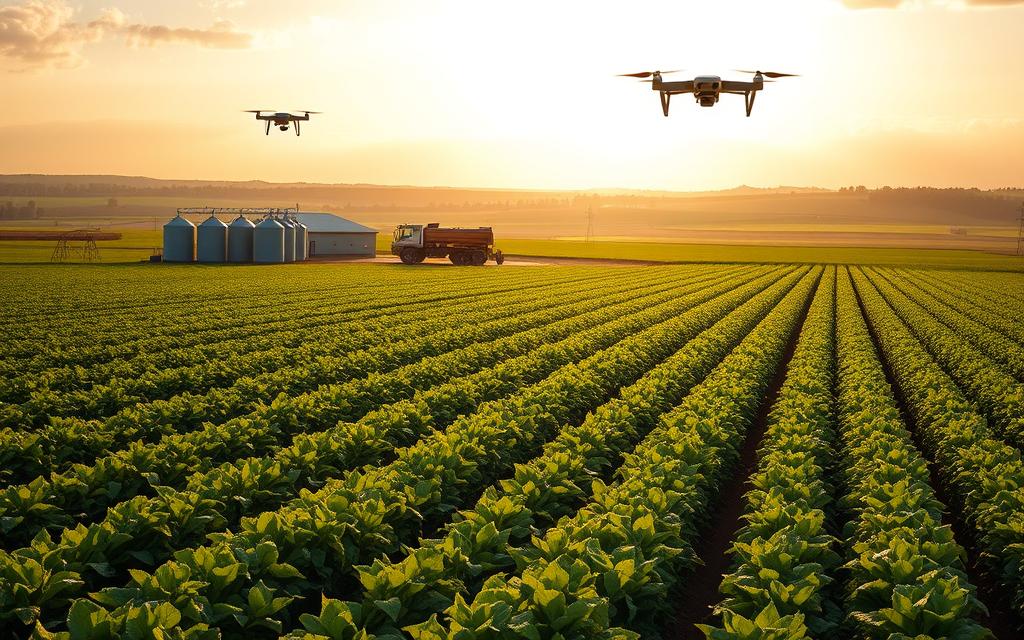
Modern farming faces big challenges today. Farmers need to grow more food with less resources and protect our planet. They must find new ways to farm smarter.
Precision farming is changing how we farm. It uses advanced tech to understand and act on field changes. This turns guesses into smart decisions based on data.
Questions about used farming precision also connect with information industry sectors trends when readers compare closely related topics.
Readers exploring used farming precision often end up considering from stone tools as part of the same topic.
This method tackles old problems with new solutions. By using data and targeted actions, farmers see big improvements. This helps them grow more food while being kinder to the environment.
We’ll look at the tech behind this change. From GPS to sensors, these tools are changing farming. Precision farming is the digital shift in agriculture.
Understanding Precision Agriculture
Farming has changed a lot, moving from old ways to using data to improve everything. This part looks at what precision agriculture is and how it has grown.
Defining Precision Agriculture
Precision agriculture is a smart way to farm. It looks at and responds to the differences in crops. Fields are not all the same, with different soil, moisture, and nutrients affecting crops.
Related Posts:
- What Is the Information Technology Industry Key…

- What Is Medical Technology All About Innovations in…

- What Is the Evolution of Technology From Stone Tools to AI

- How to Find the Technology a Website Uses Tools and…

- An Advantage of Cloud Native Technology Scalability…

- De Nora Water Technologies Careers Opportunities in…
It uses new technology to handle these differences. Farmers make choices based on real-time data, not just guesses. This way, they can treat different parts of the field better, making farming more efficient.
Core Principles and Objectives
The main aims are to make more money and use less resources. Farmers use nutrients wisely, which helps the environment and keeps crops healthy.
The Evolution from Traditional to Modern Farming
Farming has changed a lot. Before, farmers used the same amount of water, fertilisers, and pesticides everywhere. This didn’t work well for different parts of the field.
Now, farmers use precision techniques. They treat different parts of the field based on what they need. This is a big change in how farmers work with their land and crops.
Historical Context and Technological Shifts
Important steps in technology have made precision farming possible. GPS, sensors, and data tools are key. They help farmers make better decisions.
These changes have moved farming from old ways to using data. Technology keeps getting better, helping precision farming grow.
Key Technologies in Precision Agriculture
Modern smart farming relies on cutting-edge technologies. These innovations turn raw data into useful insights. They change how farmers manage their land.
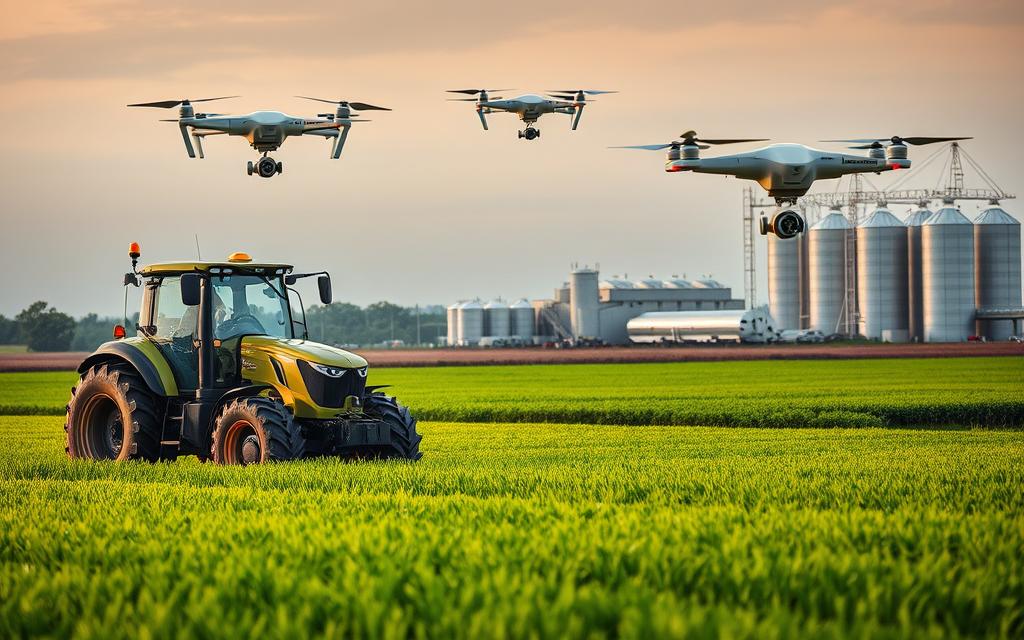
Global Positioning Systems (GPS) and Geolocation
GPS is key to precision farming, giving accuracy down to centimetres. It uses satellite signals to make detailed maps and guide equipment precisely.
Farmers save on inputs and use resources better. It cuts down on waste and guesswork from old farming ways.
Applications in Field Mapping and Guidance
Guidance systems come in two types: lightbar and auto-guidance. They reduce overlap and place inputs accurately.
They also protect conservation areas and boost field efficiency. This leads to cost savings and better environmental care.
Remote Sensing and Drone Technology
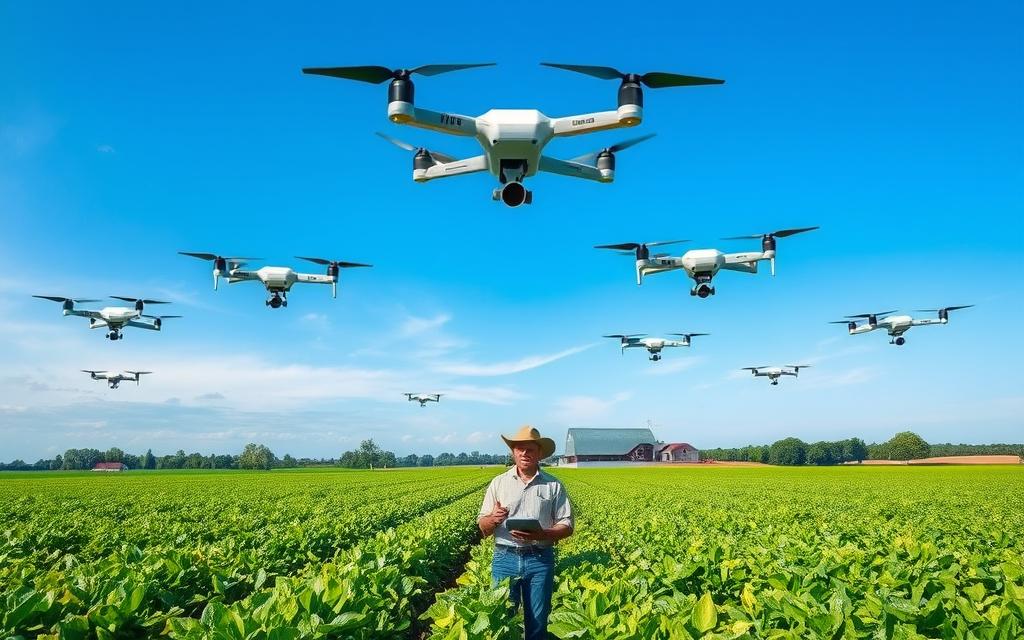
Remote sensing gives farmers a bird’s-eye view of their fields. Drones carry sensors and cameras to gather data on crop and soil health.
They collect data hard to get from the ground. This gives a full view of field conditions all season.
Multispectral Sensors and Aerial Imaging
Multispectral sensors see beyond human vision, spotting plant stress early. Aerial imaging makes detailed maps of crop health.
This tech finds issues like nutrient gaps, water stress, or pests early. Farmers can then act quickly to fix problems.
Internet of Things (IoT) and Smart Sensors
IoT connects farm devices into one network. Smart sensors watch over the environment and crops, sending data to central systems.
This setup lets farmers monitor without always being there. It’s a big step in automating farming and collecting data.
Real-Time Monitoring Systems
Real-time systems give farmers instant updates on their fields. They track moisture, temperature, and nutrients.
When conditions are off, farmers get alerts to act fast. This ensures crops get what they need, when they need it.
These technologies together create a strong system for smart farming. They help farmers make better decisions, boosting productivity and sustainability.
Data Management and Analytical Tools
Modern farming relies on advanced data systems. These systems turn raw data into useful information. They help farmers work more efficiently and use resources wisely.
Farm Management Software Platforms
Today’s farms use software platforms for managing data. These platforms gather data from GPS in agriculture, weather stations, and sensors. They give farmers a clear view of their operations.
These platforms have features like field mapping and tracking inputs. They also help farmers analyse yields. This lets farmers check their work in real-time and keep records for future use.
John Deere Operations Center and Climate FieldView are two top examples. They help farmers combine data from different sources. This makes it easier to make decisions based on accurate information.
John Deere focuses on equipment performance. Climate FieldView is great for detailed field data analysis and giving farmers advice.
| Platform | Primary Strength | Data Integration | Mobile Access |
|---|---|---|---|
| John Deere Operations Center | Equipment connectivity | Machinery data + imagery | Full functionality |
| Climate FieldView | Analytics & recommendations | Multi-source data fusion | Comprehensive app |
| FarmLogs | User-friendly interface | Basic to advanced options | Limited features |
By using these technologies together, farmers can make better decisions. This helps them earn more and use less resources.
Big Data and Artificial Intelligence Integration
Big data analytics and AI are changing farming. They look at lots of data to find patterns. This helps farmers make smarter choices.
AI can link weather, soil, and past yields to predict the future. This lets farmers plan ahead, not just react to problems.
These systems get better over time. As they learn from more data, they give farmers even better advice. This makes them very useful for managing farms.
Predictive Analytics for Crop Management
Predictive analytics use AI to forecast what crops need. They look at past data and current information to plan for things like water and nutrients.
These tools can guess how much a crop will yield. This helps farmers decide when to harvest and how to store crops. It’s a big step up from old farming methods.
One expert says: “Data analytics and AI help in precision farming. They look at lots of data, find patterns, and guide management decisions.”
Using GPS in agriculture with these tools is very powerful. GPS gives the location needed to use the data effectively. This completes the cycle from collecting data to using it to improve farming.
Variable Rate Technology (VRT) Implementations
Variable Rate Technology is a key part of precision agriculture. It lets farmers apply inputs with great accuracy. This tech uses advanced systems to give each field area exactly what it needs, changing how farms work today.
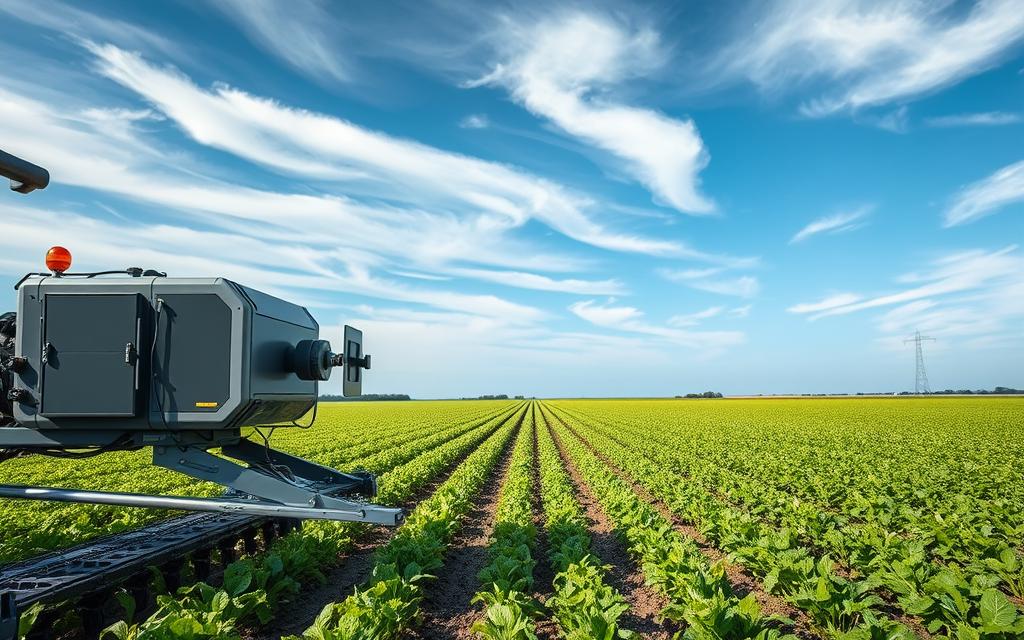
Precision Seeding and Planting Equipment
Modern planting equipment has changed a lot with VRT. These systems adjust seed amount and placement in real-time. They look at soil conditions and past yields to do this.
The tech uses maps from farm management software to guide planting. These maps consider soil type, moisture, and nutrients. This leads to better crop growth and more even stands.
Case IH Advanced Farming Systems
Case IH has advanced planting systems that adjust seed rates automatically. They use mapping data to set the best planting density for each area. This helps get the most yield from each field.
Site-Specific Fertiliser and Pesticide Application
VRT makes applying fertilisers and pesticides more precise. Farmers can target specific areas that need help. This way, they use less product and waste less.
The systems adjust application rates as they go. An expert says:
“Variable rate application is the biggest leap in chemical use in modern times.”
This tech works well with farm management software that analyses field data. It makes maps for application. This lets farmers keep improving their input strategies based on results.
Reducing Environmental Impact
VRT reduces environmental harm by applying chemicals only where needed. This precision cuts down on chemical runoff and use. It supports green farming while keeping yields high.
Features like automatic section control stop chemicals from being applied twice. This cuts down on chemical use and costs. VRT is key for sustainable farming today.
Automation and Robotics in Agriculture
The way we farm is changing fast with automation and robotics. These technologies make farming more precise and efficient. They help farmers work smarter and more consistently.
Robotic systems work well with data and GPS. This makes farming more accurate and uses resources better. It helps farmers get the most out of their land.
Precision agriculture saves money by using less water, fertiliser, and pesticides. It tailors farming to each part of the field. This makes farming more cost-effective and profitable.
Autonomous Tractors and Machinery
Autonomous tractors are a big step in farming tech. They can work without a driver and are very accurate. They use sensors and data to adapt to the field.
These tractors can work all day, every day. They follow exact paths, saving time and reducing damage to the soil. This makes farming more efficient.
New Holland Autonomous Tractor and Its Features
The New Holland Autonomous Tractor is at the forefront of farming tech. It can work alone and has advanced systems for safety and monitoring. It also connects with farm software for better planning.
Robotic Harvesting and Weeding Solutions
Robotic harvesters and weeders are changing farming. They can pick crops and weeds with precision. This reduces the need for manual labour.
These robots make farming more accurate and consistent. They use variable rate technology to apply treatments where needed. This saves resources and improves farming.
Agrobot E-Series and Similar Innovations
The Agrobot E-Series is a top example of harvesting tech. It picks strawberries with robotic arms and vision. Other robots can tell crops from weeds using AI.
These robots gather data to improve farming. They work with variable rate technology for efficient farming. This boosts productivity and sustainability.
Benefits of Precision Farming Technologies
Precision farming technologies bring big changes that go beyond just making things work better. They make it possible for farms to make money and protect the environment at the same time.
Enhanced Crop Yields and Economic Efficiency
Farmers using precision tech see big gains in crop yields and cut costs. They use exactly the right amount of seeds, fertilisers, and water. This way, they get more for their money and waste less.
Thanks to data and tools like agricultural drones, farmers can make smarter choices. They spot issues early and fix them before they get worse.
Case Studies from US Farms
In the Midwest, corn farms using new tech saw yields go up by 12-15%. They also used 20% less nitrogen. In California, almond farmers saved 30% of water and got better crops by checking soil moisture.
Environmental and Sustainability Advantages
Precision farming is a big step towards growing food in a way that’s good for the planet. As one report says:
“Precision agriculture helps farmers take care of the land by using nutrients wisely.”
This tech tackles big environmental issues in farming. It moves from broad treatments to precise actions. This makes farming more targeted and effective.
Resource Conservation and Reduced Waste
Precision farming cuts down on fertilisers and pesticides, keeping waterways clean. It also saves water by only irrigating when needed, based on soil conditions.
These systems lead to farms that are better for the planet and profitable. They help farms and the environment thrive together.
Challenges in Adopting Precision Agriculture
Switching to high-tech farming is hard due to big financial and technical hurdles. Many farmers face high costs and lack the skills needed for these new systems.
Financial Investment and Cost Barriers
High-tech farming needs a lot of money upfront. Things like GPS-guided tractors, drones, and IoT sensors are very expensive. Many farms can’t afford these costs.
It’s not just the initial cost. Ongoing expenses like maintenance, software, and updates also strain budgets.
Purdue University studies show that these systems need skilled workers. This means hiring experts or training staff.
Funding Options for Farmers
There are ways to help with the costs:
- Government grants for farming
- Low-interest loans for equipment
- Cooperative buying programs
- Subsidies for adopting new tech
Technical Training and Skill Development
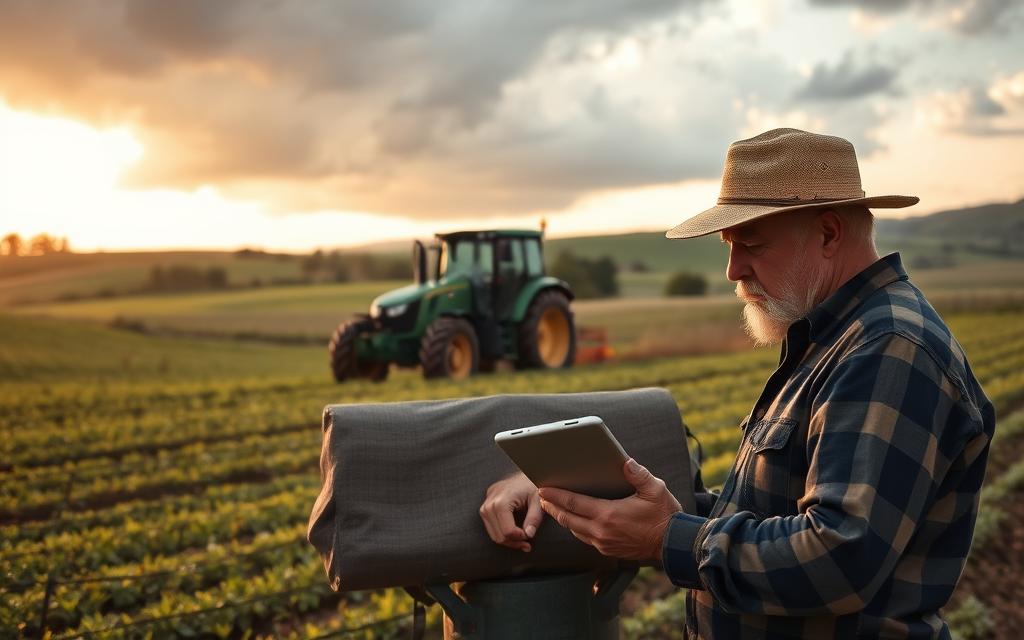
Modern farming tools require digital skills many farmers don’t have. They need to know how to use software, understand data, and fix technical issues.
The lack of skills is a big problem. Farmers must either train their staff or hire experts at high costs.
Educational Programmes and Support
There are programs to help with these challenges:
- Agricultural extension courses
- Training from equipment makers
- Online certifications
- Technical support hotlines
Future Trends and Innovations
The world of farming is changing fast, thanks to new technologies. These changes will make farming more efficient, accurate, and green. They build on what we already know from precision agriculture.
5G Connectivity and Its Farming Applications
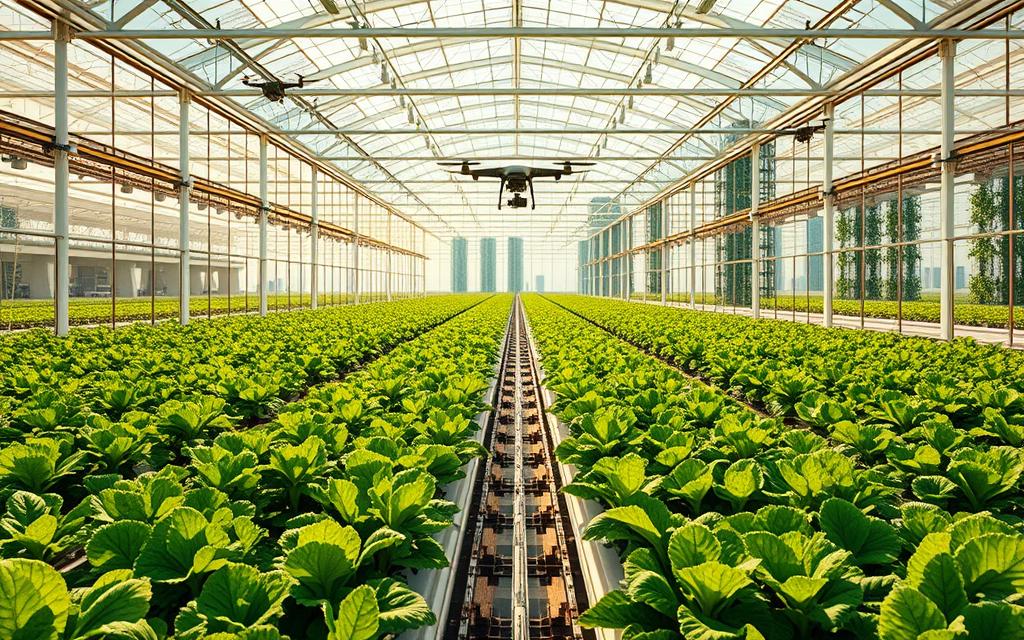
5G networks are a big step up for farming. They offer faster data and less delay. This means farmers can talk to their equipment and systems in real time.
With 5G, farmers can check on crops and soil quickly. They can also fix problems fast, like pests or water issues.
Improving Real-Time Data Processing
5G can handle the big data farming creates. It makes sure farmers get the info they need fast. This helps them act quickly when it matters most.
Advances in AI and Machine Learning
AI and machine learning are getting better for farming. They can look at lots of data and find things humans can’t. This helps farmers make better choices.
Experts say, “AI can help farmers use data to make smart decisions. This can make farming more efficient and reduce waste.”
These tools help farmers use resources better and predict crop yields. They learn and get better over time, fitting the farm’s needs.
Climate Adaptation and Predictive Models
Advanced models help farmers deal with the weather. They can predict weather, droughts, and temperature changes. This lets farmers plan ahead.
These technologies help farming be more sustainable. They reduce waste and protect the environment. Farmers use what they need, where and when, saving resources.
| Technology | Current Application | Future Potencial | Impact on Sustainable Agriculture |
|---|---|---|---|
| 5G Connectivity | Real-time equipment monitoring | Autonomous fleet coordination | Reduces fuel consumption and soil compaction |
| AI & Machine Learning | Yield prediction models | Disease outbreak forecasting | Minimises chemical usage through targeted interventions |
| Predictive Analytics | Weather pattern analysis | Climate adaptation strategies | Enhances water conservation efforts |
| IoT Integration | Soil moisture monitoring | Complete ecosystem management | Optimises resource allocation across operations |
These new technologies are the future of farming. They promise to feed more people while protecting the environment. The next step is to use these innovations together. This will make farming smarter and better for everyone.
Conclusion
Precision agriculture is changing farming for the better. It uses advanced sensors, GPS, and data tools to improve crop growth. This approach leads to higher yields, lower costs, and better efficiency, all while being kinder to the environment.
Farm automation is key to these gains. It helps farmers use resources wisely and cuts down on manual work. With smart tech, farmers can make better choices based on data, leading to more food and greener farming.
But, there are hurdles to overcome. Starting up costs, technical issues, managing data, and rules are big challenges. Yet, tech keeps getting better, making these problems smaller.
As the world’s food needs grow, precision farming tech is more vital than ever. It helps farms work well now and in the future. This way, we can keep producing food in a way that’s good for the planet.
FAQ
What is precision agriculture?
Precision agriculture uses new tech like GPS, sensors, drones, and data to help farming. It aims to use resources better, grow more food, and protect the environment. It does this by tailoring farming to each field’s needs.
How does GPS technology benefit precision farming?
GPS helps map fields, guide equipment, and place inputs like seeds and fertilisers accurately. This cuts down on waste and ensures resources are used where they’re needed most. It boosts efficiency and improves crop quality.
What role do drones play in precision agriculture?
Drones with sensors take aerial photos to check on crops and soil. They help spot problems like pests or nutrient issues. This gives farmers the data they need to make quick, informed decisions.
How does the Internet of Things (IoT) support precision agriculture?
IoT uses smart sensors to monitor things like moisture and nutrient levels in fields. This data helps farmers make quick adjustments and manage resources better. It makes farming more efficient and responsive.
What is Variable Rate Technology (VRT) and how is it used?
VRT lets farmers apply inputs like seeds and fertilisers at different rates across a field. It’s based on what the soil and crops need. This method saves resources, cuts costs, and is better for the environment.
Can precision agriculture improve sustainability?
Yes, it helps use water, fertilisers, and chemicals more efficiently. This reduces waste and runoff. It also supports healthier soil, conserves resources, and lowers farming’s carbon footprint.
What are the financial challenges of adopting precision agriculture?
Starting up can be expensive due to the cost of new tech and software. But, there are grants and support to help farmers cover these costs. These can lead to long-term savings and benefits.
How important is training for implementing precision agriculture?
Training is key. It’s needed to use these systems well, understand data, and manage equipment. Keeping up with training helps farmers and their teams get the most out of these technologies.
What future innovations are shaping precision agriculture?
New things like 5G for quicker data, AI for better predictions, and advanced robots are coming. These will make farming even more precise, efficient, and sustainable.
How does precision agriculture contribute to food security?
It helps grow more food, reduce waste, and make farming more resilient. This means more food can be produced efficiently and sustainably. It helps farmers meet demand while saving resources for the future.
 Marcin Wieclaw