


In a world shaped by smartphones and social media, meaningful human connection can get lost. Many people feel overwhelmed by constant notifications and pressure to stay online. This guide shows how to communicate without technology and reconnect with family, friends, and community members through offline communication skills.
Even in a digital world, we can build deep connections without screens. Stepping away from technology lets us enjoy face-to-face talks, heartfelt letters, and body language. These unplugged communication methods can support emotional well-being and strengthen relationships.
This article covers nine key areas: face-to-face conversations, written correspondence, body language, community building, creativity, active listening, challenges, and daily tips. Each section offers tools for genuine connections in an increasingly disconnected world.
Key Takeaways
- Offline communication fosters deeper connections.
- Face-to-face interactions enhance emotional well-being.
- Written correspondence adds a personal touch.
- Understanding body language is crucial for effective communication.
- Building community strengthens relationships.
- Active listening is key to meaningful conversations.
1. Why Learning How to Communicate Without Technology Matters
Today, face-to-face communication matters more than ever. Many people face digital fatigue after spending more than seven hours daily on screens. This strain can cause cognitive overload, shorter attention spans, and deep disconnection despite constant online contact.
Doomscrolling and notification anxiety can pull people away from meaningful contact. These challenges show why communication without screens supports mental well-being.
1.1 The Digital Fatigue Phenomenon in Modern America
Digital fatigue affects millions and can raise stress and anxiety. Constant notifications and information can overwhelm our senses, leaving people drained. Recognizing this trend is the first step toward enjoying digital detox benefits.
1.2 Mental Health Benefits of Unplugged Communication
Research indicates that unplugged interactions can significantly improve mental health. Face-to-face conversations reduce cortisol, enhance mood regulation, and decrease anxiety and depression symptoms. The American Psychological Association links social connection offline with better psychological outcomes.
1.3 Strengthening Relationships Beyond Screens
Relationships can suffer when people rely only on texts and social media. In-person contact builds trust, empathy, and emotional closeness that digital channels cannot match. Choosing offline communication can strengthen these important bonds.
| Aspect | Digital Communication | Offline Communication |
|---|---|---|
| Connection Quality | Often superficial | Deep and meaningful |
| Mental Health Impact | Increased anxiety | Reduced stress |
| Relationship Building | Limited emotional depth | Enhanced trust and empathy |
2. Mastering Face-to-Face Conversations
Meaningful in-person dialogue helps build strong relationships and supports interpersonal communication. Prepare by choosing a helpful setting and setting clear goals for the talk.
Related Posts:
- Has Technology Made the World a Better Place?…

- What Is the Information Technology Industry Key…

- What Is Galileo Financial Technologies Fintech…

- De Nora Water Technologies Careers Opportunities in…

- What Is Medical Technology All About Innovations in…

- What Is the Evolution of Technology From Stone Tools to AI

2.1 Preparing for Meaningful In-Person Dialogues
2.1.1 Choosing the Right Setting
Your setting can strongly affect the quality of a conversation. Choose a quiet place, such as a coffee shop, park bench, or private living room. Avoid crowded places; calm spaces reduce distractions and support deeper connection.
2.1.2 Setting Clear Intentions
Before you start, state your purpose clearly. Do you want to resolve a conflict, share important news, or strengthen your bond? Clear intentions support focused, satisfying, and meaningful exchanges.
2.2 Navigating Difficult Topics Offline
Face-to-face conversation tips matter when difficult talks feel intimidating. Many people avoid these discussions and choose text messages instead. Still, addressing issues in person can produce better results.
2.2.1 Managing Emotional Reactions
Recognize and control your emotional responses. Deep breathing, pausing before you respond, and using “I” statements can express feelings without blame. These strategies support healthier interpersonal communication.
2.2.2 Finding Common Ground
During disagreements, identify shared values and interests. This can ease tension and encourage collaboration. Focusing on areas of agreement helps you manage conflicts more effectively.
| Technique | Description | Benefits |
|---|---|---|
| Choosing the Right Setting | Select a calm and private location. | Enhances focus and connection. |
| Setting Clear Intentions | Articulate your purpose before talking. | Promotes clarity and understanding. |
| Managing Emotional Reactions | Use techniques like deep breathing. | Helps maintain composure and clarity. |
| Finding Common Ground | Identify shared values during discussions. | Facilitates collaboration and resolution. |
3. The Power of Written Letters and Notes
Handwritten correspondence can build deeper relationships than technology often can. In our fast-paced world, writing a letter or note takes time and can leave a lasting impact. This section shares written letter writing guidance and explains its role in building relationships offline.
Crafting Personal Letters That Leave an Impact
Writing a personal letter lets you share genuine thoughts and feelings. Use these practical communication tips to make your letter memorable.
Structuring Your Message
Start with an engaging opening about a shared memory or recent event. This warm beginning draws readers in, while the middle shares heartfelt thoughts with clarity and sincerity. End with a warm invitation to stay connected and strengthen your bond.
Adding Personal Touches
Add personal touches to make your letters more special. Photographs, pressed flowers, and small mementos can turn a simple letter into a cherished keepsake. These items raise its emotional value and show the recipient that you care.
Using Postcards and Greeting Cards Effectively
Postcards work well for brief travel updates and capture vivid moments. Greeting cards suit occasions such as birthdays and holidays. A handwritten note makes a card more personal and heartfelt than a pre-printed message.
Establishing a Letter-Writing Routine
Consistency helps make letter writing a meaningful practice. Choose one day each month for letters, keep stationery nearby, and maintain an address book of friends and family. This routine supports creativity, streamlines the process, and deepens connections.
| Type of Correspondence | Best For | Emotional Impact |
|---|---|---|
| Personal Letters | Deepening Relationships | High |
| Postcards | Quick Updates | Moderate |
| Greeting Cards | Special Occasions | High |
4. Using Body Language and Nonverbal Cues
Nonverbal communication cues help us connect with others. Body language signals can improve our interactions and relationships. Eye contact and gestures shape emotional intelligence offline.
4.1 Understanding Eye Contact and Facial Expressions
Eye contact shows attention and respect during a conversation. It shows engagement, but the right amount can be hard to judge. Too little may suggest disinterest, while too much can feel intimidating.
Facial expressions reveal feelings that words may hide. Recognizing micro-expressions helps you understand someone’s true feelings.
4.2 The Role of Posture and Gestures
Your posture and gestures say a lot about confidence and openness. Notice these body language signals:
- Open vs. Closed Body Positions: Open body positions, such as uncrossed arms and a forward lean, indicate receptiveness. In contrast, closed positions can signal defensiveness or disinterest.
- Mirroring Techniques: Subtly matching another person’s posture and gestures can build rapport and trust. This psychological phenomenon fosters a sense of connection and understanding.
4.2.1 Open vs. Closed Body Positions
An open posture can make you seem more approachable. Relax your shoulders and keep your arms uncrossed to create a welcoming atmosphere.
4.2.2 Mirroring Techniques
Mirroring can strengthen emotional intelligence offline. Reflecting another person’s body language can create harmony and trust.
4.3 Reading Others’ Nonverbal Signals
Noticing others’ nonverbal signals is crucial. Pay attention to:
- Tone of voice: The way something is said can convey more than the words themselves.
- Physical proximity: Understanding personal space can help avoid discomfort.
- Touch: A simple touch can communicate empathy and support.
Awareness of these cues helps you respond better during real-time conversations. It also strengthens your emotional intelligence offline.
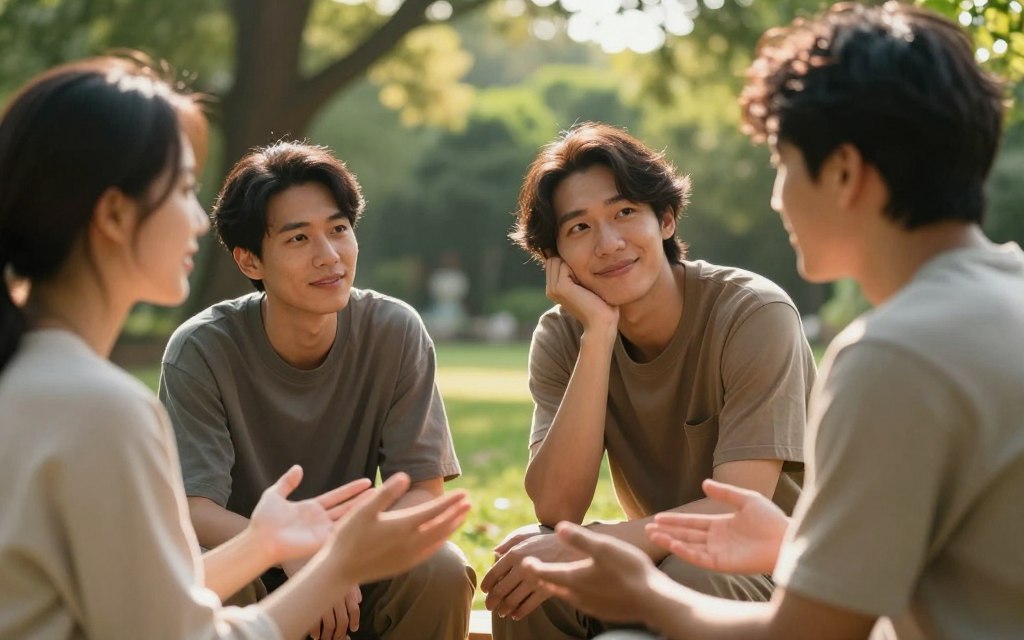
5. Building Community Through Group Activities
Group activities can improve social interaction and help people build a stronger community. These community building activities create support and give relationships room to grow.
Organizing Local Meetups and Gatherings
Organizing local meetups is an effective way to build community. Start by finding shared interests among neighbors or acquaintances. Topics may include book discussions or hiking groups, with accessible venues like community centers, libraries, or parks.
Clear communication matters. Tell everyone the time, location, and expectations. Start with three to five people to reduce awkwardness, then add participants as confidence grows.
Joining Clubs and Volunteer Organizations
Joining clubs and volunteer organizations can strengthen social connection offline. These groups offer regular interaction while supporting meaningful causes. Options include Rotary Clubs, local food banks, and Habitat for Humanity builds.
Shared activities make conversation easier and help people connect. They reduce the pressure of unstructured mingling and encourage more genuine interactions.
Hosting Game Nights and Social Events
Hosting game nights and social events can bring people together. Choose games for different skill levels so everyone feels included. Food and comfortable seating can also encourage participation.
A “phones away” policy can promote genuine engagement during these events. Face-to-face interaction builds community and supports building relationships offline.
| Activity Type | Benefits | Examples |
|---|---|---|
| Meetups | Fosters connections, encourages shared interests | Book clubs, hiking groups |
| Clubs | Structured interactions, meaningful contributions | Rotary Clubs, sports leagues |
| Social Events | Promotes engagement, builds friendships | Game nights, potlucks |
Group activities can build a lasting structure for offline communication. They strengthen social connections and support deeper relationships.
6. Communicating Through Art and Creative Expression
Art offers a powerful form of creative expression communication beyond spoken words. Creative activities create new ways to connect without verbal dialogue. Visual art, music, and group projects build stronger relationships and understanding.
Visual Arts as a Communication Medium
Visual arts, including painting, drawing, and photography, help people share feelings and experiences that words cannot explain. Community art classes and gallery visits offer unplugged communication methods for building connections. They also spark discussion and build a sense of belonging.
Music and Performance for Connection
Music and performance offer social ways to communicate. Community choirs, theater groups, and live concerts help people bond through shared experiences. Research shows shared music can trigger synchronized brain activity, creating strong emotional connections.
Collaborative Creative Projects
Collaborative projects, such as community gardens and group writing workshops, encourage conversation and build relationships. Creating something together develops problem-solving, teamwork, and offline communication skills. These projects offer another way to connect for people who find traditional conversation difficult.
“Art is the most beautiful of all lies.”
| Art Form | Benefits | Examples |
|---|---|---|
| Visual Arts | Enhances emotional expression | Painting, Sculpture |
| Music | Fosters social bonds | Choirs, Concerts |
| Collaborative Projects | Encourages teamwork | Community Gardens, Workshops |
7. Active Listening Techniques for Deeper Connections
Offline communication faces obstacles, but clear strategies can help overcome them. Many people struggle with social anxiety, generational gaps, and misunderstandings. Understanding these challenges helps improve interpersonal communication.
8.1 Dealing with Social Anxiety in Person
Social anxiety can block meaningful conversations. Start with relaxation techniques to manage it. Deep breathing can calm nerves before a conversation.
Also, practice conversations with a trusted friend. This practice builds confidence and prepares you for real-life interactions.
8.2 Bridging Generational Communication Gaps
Generational differences can cause misunderstandings. Bridge these gaps by learning from other people’s perspectives. Younger generations may prefer casual styles, while older people may value formality.
Using active listening techniques can help. Engaging with another person’s viewpoint builds respect and understanding.
8.3 Addressing Misunderstandings Without Digital Tools
Misunderstandings can happen easily during face-to-face conversations. Clarify statements to address them effectively. Ask questions to ensure you understand the other person’s message.
Validating emotions is also important. Acknowledge others’ feelings, even when you disagree with their views. This practice builds emotional intelligence offline and strengthens relationships.
8. Overcoming Common Challenges in Offline Communication
Offline communication has challenges that many people must handle. Knowing these hurdles helps improve face-to-face interactions. This section covers social anxiety, generational gaps, and misunderstandings with practical solutions.
8.1 Dealing with Social Anxiety in Person
Social anxiety affects approximately 15 million American adults. It can block effective communication. Start with brief, low-stakes interactions, such as greeting a cashier or asking a neighbor a question.
Cognitive reframing can also challenge negative thoughts. Remind yourself that social situations offer connection, not judgment. Remember, overcoming social anxiety takes time, and practice improves your skills.
8.2 Bridging Generational Communication Gaps
Baby Boomers often prefer phone calls, while Gen Z leans toward texting. These differences can cause misunderstandings. Bridging generational gaps requires mutual accommodation and open discussion.
Use face-to-face conversation tips to guide these discussions. Finding common ground can improve understanding and strengthen relationships across generations.
8.3 Addressing Misunderstandings Without Digital Tools
Resolving misunderstandings in person can be difficult without digital tools. During real-time conversations, clarify your intentions and ask questions when needed. If a mistake occurs, address it calmly to keep communication moving.
These techniques can help you handle misunderstandings and share your message clearly. They can also create more meaningful connections during offline interactions.

9. Practical Tips to Strengthen Your Offline Communication Skills
You can improve offline communication through simple daily habits. Small actions can help you connect with others in meaningful ways.
Daily Practices for Better Communication
Use these practical communication tips each day:
- Make Eye Contact: Look at three strangers each day and smile. This simple act fosters connection.
- Initiate Conversations: Strike up a brief chat with a colleague or neighbor to build confidence.
- Practice Active Listening: Focus on truly hearing what others say during at least one interaction daily.
Creating Tech-Free Zones in Your Life
Create tech-free zones to support face-to-face conversations. These habits can reveal digital detox benefits.
- Dinner Table: Make it a rule to leave devices away during meals to encourage family discussions.
- Bedroom: Use a physical alarm clock instead of your phone to reduce screen time before sleep.
- Morning Routine: Dedicate the first hour after waking to personal interactions without distractions.
Measuring Your Progress Over Time
Track your progress to stay motivated. Keep a simple journal to record:
- The quality of your conversations.
- Your comfort levels during interactions.
- Improvements in your relationships.
Set clear goals, such as writing one handwritten letter each month or attending one community event each quarter. Review your progress to celebrate success and find areas for growth.
For more ways to improve communication, visit Professional Communication Programs.
10. Conclusion
Meaningful connections grow outside the digital world. Learning how to communicate without technology matters in today’s fast-paced world. This article highlights the value of offline communication skills. Mastering face-to-face conversations, reviving letter writing, and using body language can build deeper social connection offline.
Community activities and art can enrich these connections. Active listening improves understanding and empathy, making conversations more meaningful. Overcoming social anxiety and generational gaps helps people build lasting relationships.
These skills take time and dedication, but their benefits include stronger bonds, better mental health, and a sense of belonging. Choose one technique from this article to use in daily life within the next week. Embrace offline communication as a lifelong journey that improves your interactions and overall well-being.