

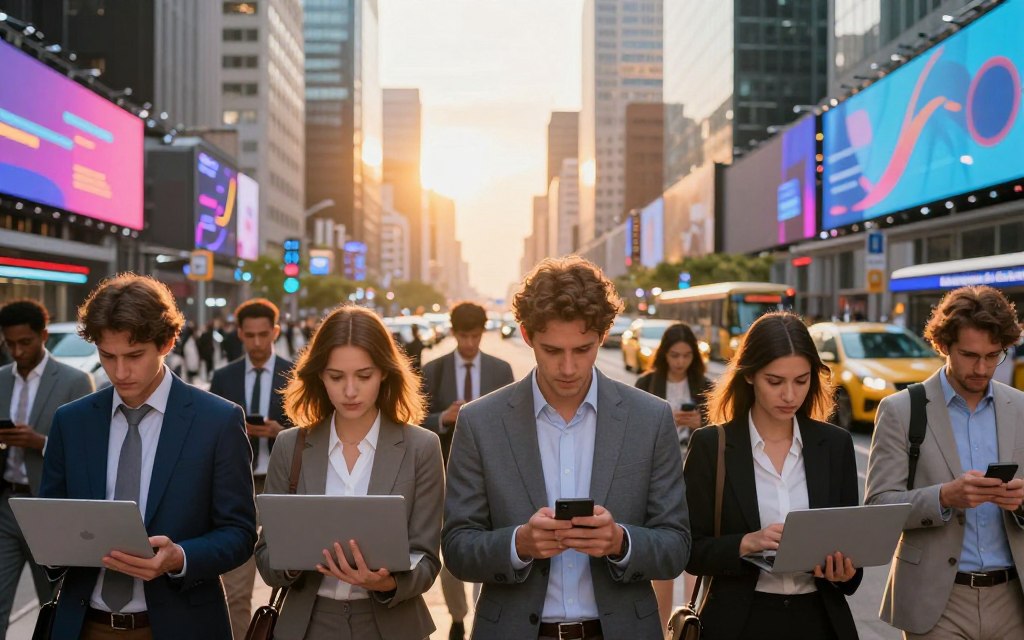
In today’s fast-paced society, many ask, has technology made the world a better place? The question goes beyond yes or no and asks whether digital advances truly improve human life.
The technology impact on society appears across healthcare, education, communication, and commerce. New tools bring convenience and efficiency, but critics warn of drawbacks and unintended consequences.
This article examines technology’s transformative gains and the serious challenges caused by rapid progress. It also uses historical context to explain why this debate matters to individuals, businesses, and policymakers.
Readers can expect a balanced, evidence-based analysis of innovation and its many effects on society. It shows how modern innovations impact daily life and public choices.
Key Takeaways
- Advancements in digital innovation influence many aspects of daily life.
- Benefits and challenges of modern innovations are interconnected.
- The debate on technology’s impact is complex and nuanced.
- Historical context helps frame current discussions on innovation.
- This inquiry is vital for individuals, businesses, and policymakers.
The Evolution of Technology in Human History
Technology has shaped human civilization. Its growth runs from the Industrial Revolution to the Digital Age, changing how we live and work. Each era brought innovations that improved productivity and changed social structures and daily life.
From the Industrial Revolution to the Digital Age
The Industrial Revolution began in the late 18th century with mechanization and steam power. These advances changed industry through mass production and urbanization. Workers moved from rural farms to factories, creating new economic structures and social dynamics.
In the late 20th century, computing and the internet began the Digital Age. This era created digital transformation effects in communication, commerce, and personal relationships. Today, mobile technology fits into daily routines and puts information at our fingertips.
Defining “Better” in the Context of Technological Progress
Defining “better” through technological progress is complex. Should we measure it by longer lives, greater convenience, or economic growth? It might also mean emotional well-being or environmental sustainability, since each measure shows technology’s impact differently.
Whether technology has made the world better depends on the values we prioritize. This view supports a deeper technological progress analysis as we explore technology’s effects.
Related Posts:






| Era | Key Innovations | Impact on Society |
|---|---|---|
| Industrial Revolution | Steam Power, Mechanization | Urbanization, Mass Production |
| Digital Age | Computers, Internet | Global Communication, E-commerce |
| Mobile Technology | Smartphones, Apps | Instant Access, Connectivity |
Technology’s Role in Improving Global Communication
Modern technology has transformed communication and strengthened technology and human connection across cultures and continents. The internet grew from a niche academic tool into a global network connecting billions. Platforms like Facebook, X (formerly Twitter), Instagram, and LinkedIn let people share information instantly.
These platforms support personal connections and citizen journalism. Information spreads quickly, helping voices from every part of the globe reach others. As noted by technology expert Clay Shirky,
“The internet is an extraordinary tool for communication and collaboration.”
Technology also helps bridge cultural and geographic divides. Digital tools let people from different backgrounds connect and work together. Video platforms like Zoom and Microsoft Teams help teams work together despite physical distance.
Translation technologies help overcome language barriers and make cross-cultural understanding more accessible. Social networks let users share perspectives and experiences, enriching our global community.
Communication is more accessible, but misinformation and digital echo chambers create new challenges. We must address these issues thoughtfully to gain the digital age advantages technology offers.
Healthcare Breakthroughs Driven by Modern Technology
Modern technology has transformed healthcare, improving patient outcomes and technology and quality of life. Medical devices and telemedicine make care more efficient and accessible. This section examines the benefits of modern technology in healthcare, including new devices and remote care.
Medical Devices and Diagnostic Innovations
Innovative medical devices help doctors diagnose and treat many health conditions. MRI and CT scanners create detailed body images, helping doctors make accurate diagnoses. Robotic systems, such as the da Vinci Surgical System, support minimally invasive procedures, shorter recovery, and safer care.
Wearable monitors, such as Fitbit and Apple Watch, help people track health measures and manage their health. They record heart rates, activity levels, and sleep patterns, helping people understand personal health. AI-powered tools can detect diseases like cancer earlier, which may improve treatment outcomes.
Telemedicine and Remote Patient Care
The COVID-19 pandemic sped up telemedicine, changing how patients access healthcare. Virtual visits through platforms like Teladoc and Amwell connect patients with providers from home. This convenience helps people with chronic conditions who need regular monitoring.
Mobile health apps help patients manage medications and track symptoms with reminders and useful resources. Healthcare technology has advanced dramatically, but not all populations benefit equally. This gap raises important questions about equity in healthcare.
“Technology has the power to enhance our quality of life, but we must ensure that it is accessible to everyone.”
| Technology | Benefits | Examples |
|---|---|---|
| Medical Imaging | Improved diagnosis accuracy | MRI, CT Scanners |
| Robotic Surgery | Minimally invasive procedures | da Vinci Surgical System |
| Wearable Monitors | Health tracking and management | Fitbit, Apple Watch |
| Telemedicine | Remote consultations | Teladoc, Amwell |
| AI Diagnostics | Early disease detection | AI tools for cancer detection |
Education and Knowledge Access in the Digital Age
Technology has transformed education by giving people wider access to knowledge. In the digital age, online learning platforms help learners around the globe. Coursera, edX, Khan Academy, and Udemy offer high-quality courses from prestigious universities, helping many people overcome geographic or financial barriers.
These platforms let learners study at their own pace and remove barriers that once limited educational opportunities. Technology has also changed traditional classrooms through interactive whiteboards and personalized learning algorithms. These tools create engaging settings for diverse learning styles, helping all students benefit from technology in daily life.
The digital age has also democratized information through Google, digital libraries, open-access journals, and Wikipedia. These resources offer vast knowledge and allow anyone to study subjects without physical access to libraries or academic institutions. Greater access than ever shows the digital age advantages.
However, technology in education also brings challenges. The digital divide remains urgent because people do not share equal access to the internet or digital devices. Information literacy helps people navigate the vast sea of online resources, while reducing inequality ensures everyone benefits from educational advancements.

Economic Growth and Job Creation Through Innovation
Rapid technology growth has made innovation more important to economic growth than ever. The digital economy is changing industries and creating new jobs. Amazon and Alibaba show how e-commerce changed shopping and helps consumers find products worldwide.
Gig economy platforms such as Uber, Lyft, and DoorDash have changed traditional job markets. They let people earn income on their own terms, creating a more flexible workforce. These digital services have created jobs and entirely new types of employment.
The Rise of the Digital Economy
The digital economy has increased economic growth and productivity. As more businesses move online, they reach larger audiences and build new revenue streams. These digital transformation effects help drive economic expansion, as noted in the Economic Report of the President.
| Sector | Growth Rate (%) | Job Creation (Millions) |
|---|---|---|
| E-commerce | 15 | 1.5 |
| Gig Economy | 20 | 3.2 |
| Tech Startups | 25 | 2.1 |
Automation and the Changing Workforce
Innovation creates opportunities, but it also brings challenges through automation. Artificial intelligence and robotics increasingly replace traditional jobs. This shift raises concerns about job polarization and wage stagnation because workers may find their skills outdated.
Workforce retraining and upskilling programs help people manage this changing landscape. These programs prepare workers for roles that require different skills. Do the innovation pros and cons reveal whether technology creates more economic opportunity than it destroys? The answer varies across industries, regions, and socioeconomic groups.
Environmental Impact: Technology as a Double-Edged Sword
Technology has two effects on the environment, offering new solutions while creating serious problems. Green technology helps address environmental challenges and reduce our ecological footprint.
Renewable energy sources, such as solar panels and wind turbines, are more accessible and efficient. They use natural resources to make clean energy and reduce reliance on fossil fuels. Smart grid technologies also improve energy distribution, so people use electricity more efficiently.
Electric vehicles from companies like Tesla and Rivian mark another step toward sustainability. They reduce emissions and support cleaner air. Carbon capture technologies are also being developed to fight climate change by capturing CO2 emissions from industrial processes.
The drawbacks of technological advancement include serious environmental harm. Electronic waste (e-waste) creates major challenges as discarded smartphones, computers, and other devices add to growing landfills and pollution. Making these devices requires extensive resource extraction, which can damage the environment.
Data centers that support cloud computing and streaming services also have a notable carbon footprint. Their energy use raises concerns about sustainability. Cryptocurrency mining demands huge amounts of energy, showing why technology needs responsible management.
Technology offers useful solutions for environmental sustainability, but its drawbacks cannot be ignored. This balance helps us understand the technology impact on society.
Social Connections and the Digital Lifestyle
Today, technology shapes how people connect with others. Digital platforms help us build communities beyond geographic limits. They bring people with shared interests, experiences, and backgrounds together in lively online communities.
Building Communities Through Digital Platforms
Social media sites like Facebook, Reddit, and LinkedIn help people build communities. They give users spaces to meet people who share their passions or challenges. For example, niche groups on Discord and Slack cover interests from gaming to professional networking.
These platforms also support marginalized groups and people with rare conditions. They provide belonging and understanding that may be hard to find in the physical world. This access shows how technology and human connection can offer companionship and support anywhere.
The Effects of Screen Time on Mental Health
Technology can improve social life, but it may also affect mental health. Research links excessive screen time to harmful outcomes, especially for adolescents and young adults. Anxiety, depression, and low self-esteem are increasingly linked to social media use.
The phenomenon of doomscrolling means continuously scrolling through negative news or posts. It can increase hopelessness, while addictive platform designs distract users from face-to-face contact and weaken key social skills.
Because of these challenges, many people now try a digital detox. They seek balance between online activity and real-world interactions. This approach encourages mindful use of technology in daily life and care for virtual and physical relationships.
Technology greatly improves our ability to connect, but we must recognize its possible drawbacks. By balancing online and offline time, we can enjoy technology’s benefits while protecting mental health.
Privacy, Security, and Ethical Concerns
The digital age has brought many privacy and security issues that need attention. As technology advances, personal data raises more complex concerns. These challenges show key drawbacks of technological advancement in privacy and cybersecurity.
Data Privacy in a Connected World
Our connected world constantly collects, stores, and analyzes personal information. High-profile data breaches reveal weaknesses in how corporations and governments handle sensitive data. Many tech companies rely on user data for advertising revenue, raising ethical questions about consent and transparency.
Regulations such as the European Union’s General Data Protection Regulation (GDPR) and California Consumer Privacy Act (CCPA) protect privacy rights. These laws set standards for data collection and use. They urge businesses to prioritize user consent and data security.
Surveillance technology and facial recognition systems create ethical dilemmas. People must weigh security against privacy and personal freedom. These examples show the innovation pros and cons of seeking safety through technology.
Cybersecurity Threats and Digital Vulnerabilities
Cybersecurity is a critical issue in today’s digital world. Ransomware, phishing, and identity theft show why strong security measures matter. Cybercriminals grow more skilled, making it harder to protect sensitive information.
State-sponsored cyber warfare adds complexity as governments face digital espionage. Cybersecurity professionals help protect data, but security and privacy remain in tension.
As we face these issues, digital literacy becomes essential. People need to understand technology risks to protect themselves and their information.
| Issue | Description | Impact |
|---|---|---|
| Data Breaches | Unauthorized access to sensitive information | Loss of trust, financial loss |
| Surveillance | Monitoring of individuals without consent | Privacy erosion, ethical concerns |
| Cyber Attacks | Malicious attempts to disrupt services | Data loss, operational disruption |
Has Technology Made the World a Better Place? Weighing the Evidence
Assessing technology’s effect on society requires a careful look at its benefits and drawbacks. Has technology made the world a better place? The answer is complex. It has transformed lives positively, but it also creates serious challenges.
The Case for Technology as a Force for Good
Modern technology has become a powerful ally across many fields. The benefits of modern technology appear clearly in healthcare innovations, which have led to:
- Increased life expectancy: Advancements in medical technology have significantly improved patient outcomes.
- Access to information: The internet has democratized knowledge, allowing anyone to learn about health, education, and more.
- Economic opportunities: The rise of digital platforms has created new job markets and reduced global poverty rates.
These benefits show how technology can ease suffering and expand human potential. Technology also makes it easier to connect with loved ones across the globe, strengthening social ties.
Acknowledging the Costs and Limitations
However, the drawbacks of technological advancement cannot be ignored. Several major challenges include:
- Environmental degradation: The production and disposal of technology contribute to pollution and waste.
- Privacy erosion: As our lives become more connected, personal data is increasingly vulnerable to breaches.
- Mental health challenges: Excessive screen time and digital interactions can lead to anxiety and depression.
- Job displacement: Automation has changed the workforce landscape, leaving some without traditional employment.
- The digital divide: Not everyone has equal access to technology, which can exacerbate social inequalities.
These problems show that technology’s harm often comes from choices about its development and regulation. Therefore, whether technology has made the world a better place depends largely on personal views and priorities.
In conclusion, evidence shows that technology can be a powerful force for good. Yet thoughtful policies and ethical choices are needed to manage its complex effects.
The Future of Technology and Human Progress
As we look ahead, the future of technology trends promises major advances that could reshape our lives. Emerging technologies could change many sectors and address some of the world’s most pressing challenges. From artificial intelligence (AI) to biotechnology, these innovations are creating a new era of human progress.
Emerging Technologies Shaping Tomorrow
Technologies like AI and machine learning already affect many industries. They improve healthcare efficiency, streamline transportation, and support better decisions. For example, AI algorithms can study vast amounts of data and improve patient outcomes in medical fields.
Quantum computing is another frontier that may solve complex problems traditional computers cannot handle. It could transform fields such as cryptography and materials science. Biotechnology, especially gene editing tools like CRISPR, may eradicate genetic diseases and increase agricultural yields.
Also, autonomous vehicles could reshape cities, reduce traffic congestion, and lower emissions. The expanding Internet of Things (IoT) will connect more devices and improve efficiency in homes and industries. Yet these advances bring risks and uncertainties that society must manage.

Balancing Innovation with Human Values
While using these innovations, we must balance them with human values. Ethical frameworks must guide innovation, while technological progress analysis protects society as a whole. Responsible AI development needs transparency and fairness in algorithms.
Strong regulatory frameworks will address risks linked to emerging technologies. Public engagement is also essential, so diverse voices can shape technological advances. Our choices today will decide whether technology makes the world better in the future.
Ultimately, the future of technology is not just innovation; it must align progress with human well-being, equity, and sustainability. By prioritizing these values, we can harness technology’s power to create a brighter tomorrow.
Conclusion
Looking back at technology’s evolution shows a complex world. Has technology made the world a better place? The answer is not simple. Modern innovations impact daily life, from healthcare to education, by improving our abilities and connections.
Yet, this change brings challenges. The technology impact on society includes privacy concerns, environmental issues, and mental health effects. Every advance requires wise use, so technology’s effect depends on how we manage change.
Technology’s role will keep changing as we look toward the future. Individuals and communities must use these tools thoughtfully and advocate for responsible innovation, helping technology serve the greater good. This can help create a future where its benefits outweigh its drawbacks.